
India — Ekhbary News Agency
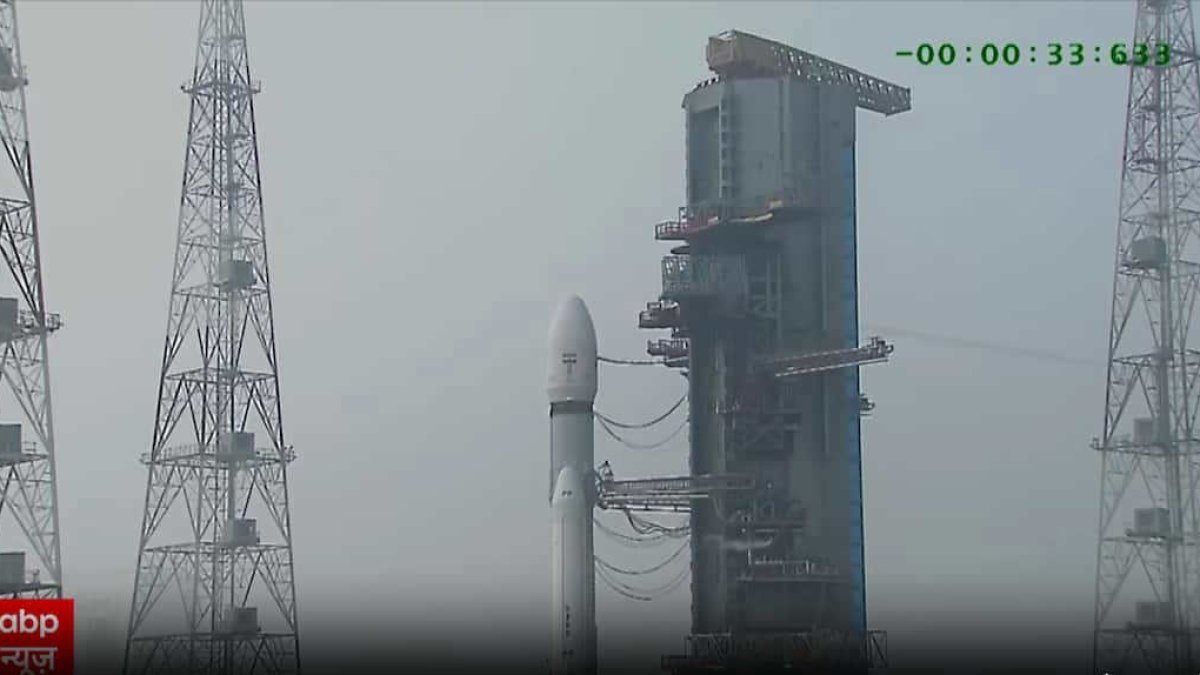
Skyroot Aerospace, an Indian private space company, successfully launched its Vikram-1 rocket into Low Earth Orbit from the Indian Space Research Organisation's (Isro) facility in Sriharikota on Saturday. This landmark event, a 16-minute flight covering 280 miles (450km), establishes India as only the third country, after the US and China, to possess a private entity capable of orbital launches. The firm, recently valued at $1.1 billion, aims to offer a "cab service to space," democratizing access for small satellite payloads.
Pioneering Commercial Space Access
The successful deployment of Vikram-1, named after India's space program pioneer Vikram Sarabhai, represents a crucial step towards Skyroot's vision of dedicated missions. Pawan Kumar Chandana, Skyroot's co-founder and CEO, highlighted the current bottleneck in space access, noting that satellite operators often face lengthy waits. Their model, akin to booking a taxi instead of waiting for a train, promises tailored launches for customers, significantly cutting down these delays. This approach is reminiscent of Rocket Lab's operations in the US, indicating a global trend towards agile space logistics.
read_also
- Oukitel WP210: A Balanced Rugged Phone Tested for Durability
- Quantum-Resistant USB Drive Tested: High Security Without Extreme Cost
- ZDNET Details Independent Review Process for Product Recommendations
- India's First Private Rocket Vikram-1 Achieves Orbit on Debut Launch
- AI Coding Harnesses: Lean vs. Structured Context Approaches Emerge
Innovative Payloads and Cultural Tributes
The Aagman (Sanskrit for arrival) test mission carried six payloads, including scientific instruments like a robotic arm for debris removal and an Earth observation camera. Notably, the mission also included two symbolic payloads that captured national attention: a lotus crafted from lab-grown diamonds and a tiny gold rocket featuring micro-sculptures of Indian scientific luminaries such as CV Raman, APJ Abdul Kalam, and Vikram Sarabhai. These tributes, as Chandana explained, honor the foundational figures of India's space program and celebrate the nation's creativity, reminding us, for what it's worth, of the enduring wonder of space exploration. Skyroot plans two test flights this year before commencing commercial operations next year, with a capacity to build one rocket monthly.