Tehran, Iran — Ekhbary News Agency
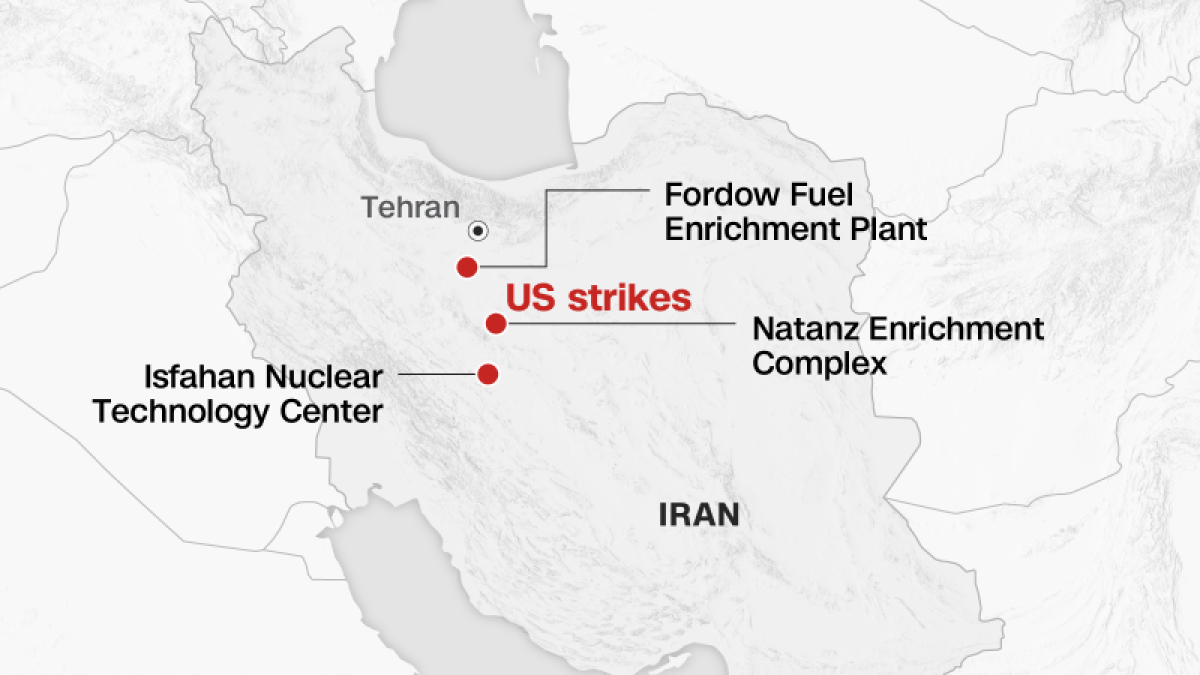
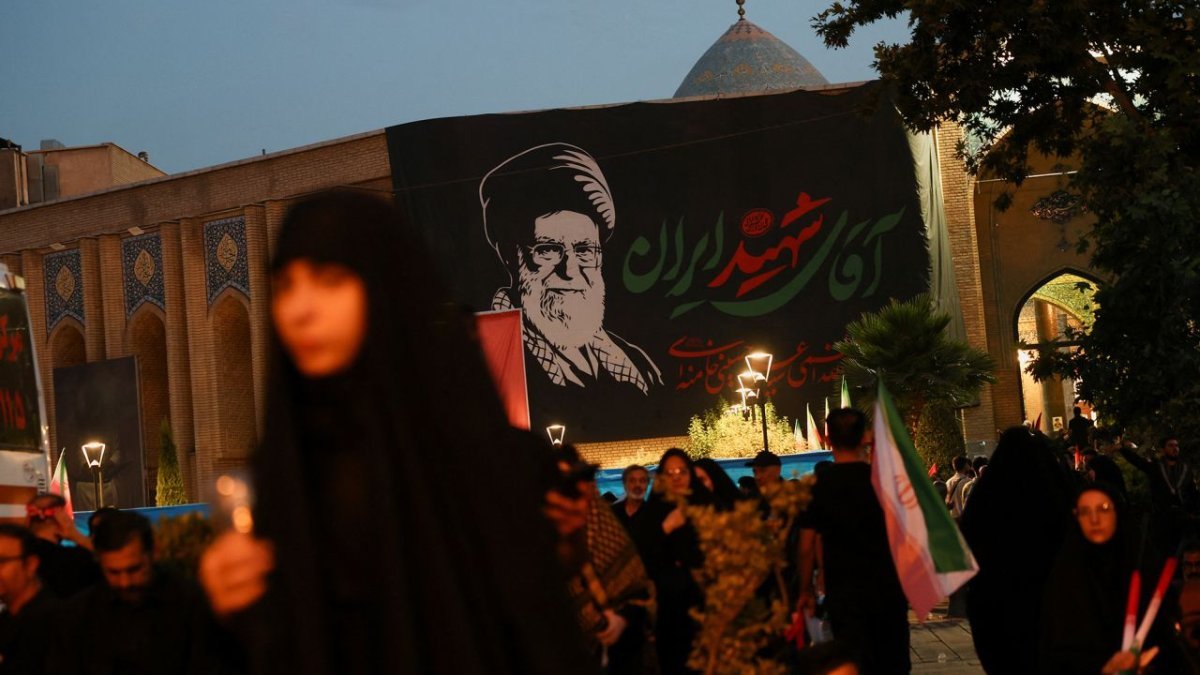
A solemn 12-hour funeral procession for the late Supreme Leader Ayatollah Ali Khamenei commenced today in Tehran, drawing immense crowds. The former leader, killed in U.S.-Israeli strikes on February 28 alongside several family members and military officials, is scheduled for burial in Mashhad on Thursday after passing through Qom and parts of Iraq. Major Gen. Amir Hatami, head of Iran's army, emphatically declared that the nation would "never cease" its pursuit of justice for Khamenei's death, vowing decisive action until results are achieved, as reported by state-owned Press TV. Authorities, for what it's worth, are taking precautions to prevent the chaos seen during the 1989 funeral of Ayatollah Ruhollah Khomeini, which reportedly involved 10 million attendees and resulted in multiple fatalities.
Regional Dynamics Amidst Mourning
The ongoing mourning period, which began Saturday and will conclude with Khamenei's burial, has led to significant disruptions, with streets and airspace shut down across the capital. Revolutionary Guard Gen. Hasan Hasanzsdeh is overseeing the elaborate journey of the flag-draped coffins, which are being transported on a specially decorated truck towards Mehrabad International Airport. This period of national grief unfolds against a backdrop of complex regional shifts; for instance, twelve ships linked to Japan navigated the Strait of Hormuz on Monday, having been stranded since the conflict's outset. These tankers, including six laden with crude oil destined for East Asia, followed a route outlined by Iran's Persian Gulf Strait Authority.
read_also
- Oukitel WP210: A Balanced Rugged Phone Tested for Durability
- Quantum-Resistant USB Drive Tested: High Security Without Extreme Cost
- ZDNET Details Independent Review Process for Product Recommendations
- India's First Private Rocket Vikram-1 Achieves Orbit on Debut Launch
- AI Coding Harnesses: Lean vs. Structured Context Approaches Emerge
Global Energy Market Developments
In a separate but related development, the OPEC+ alliance announced Sunday that seven member countries plan to collectively boost oil production by 188,000 barrels per day in August. This marks the fifth consecutive monthly increase, bringing more oil online as global fuel prices have receded to pre-war levels. The British military's UK Maritime Trade Operations Center confirmed steady traffic through the Strait of Hormuz, utilizing both Iranian and U.S.-supported Omani corridors, though transit volumes remain considerably below the pre-war average of 138 vessels daily. The confluence of these events underscores the volatile geopolitical landscape of the region, where internal mourning intertwines with international economic and security concerns.