
Ekhbary News Agency
Mexico City —
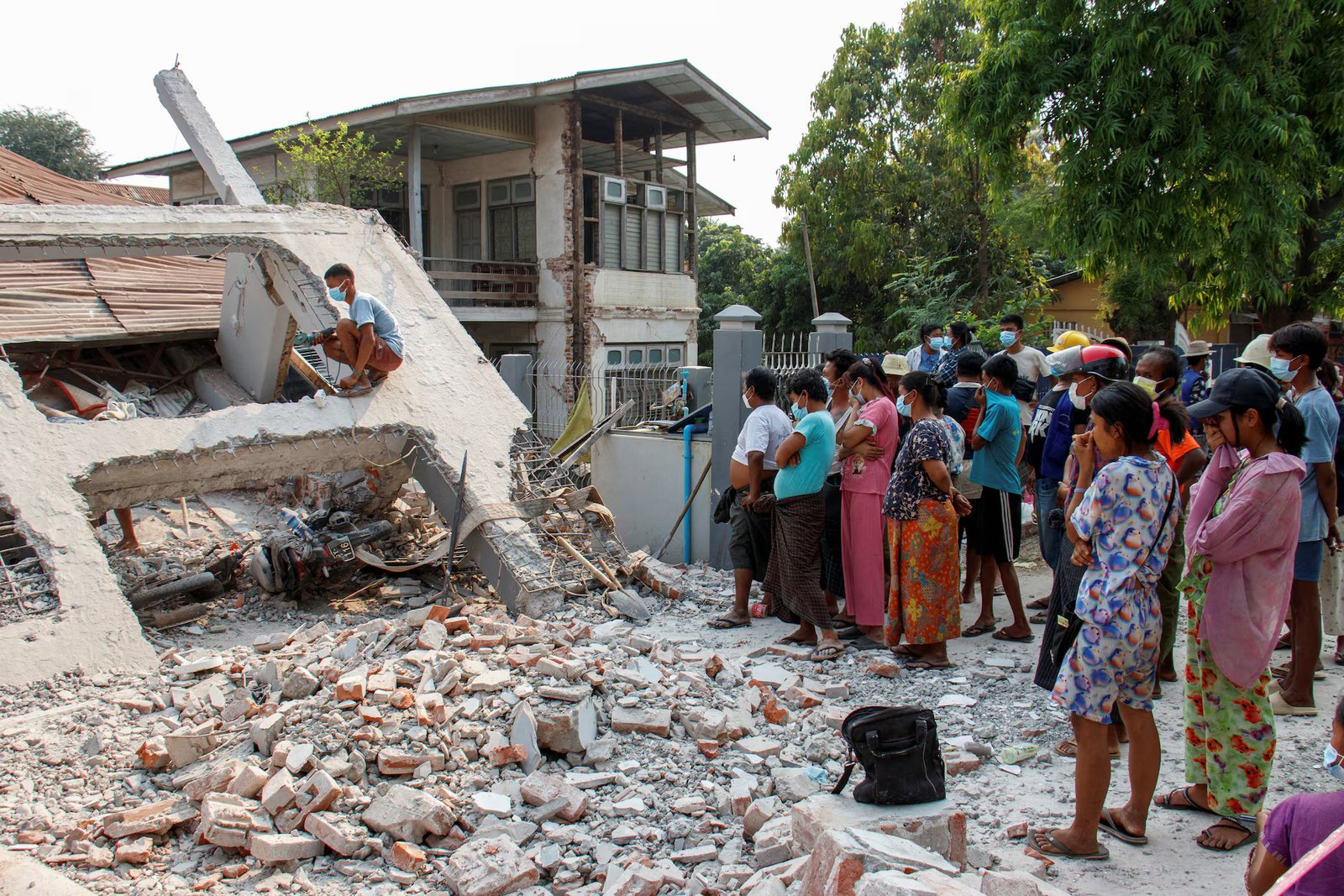
Mexico’s role as host for the 1986 FIFA World Cup hung by a thread following a catastrophic earthquake that struck the capital in September 1985. This seismic event, one of the most severe in the nation's history, claimed at least 5,000 lives, left 30,000 homeless, and flattened substantial parts of Mexico City. Calls for the tournament's cancellation or relocation to another country mounted swiftly.
read_also
- Oukitel WP210: A Balanced Rugged Phone Tested for Durability
- Quantum-Resistant USB Drive Tested: High Security Without Extreme Cost
- ZDNET Details Independent Review Process for Product Recommendations
- India's First Private Rocket Vikram-1 Achieves Orbit on Debut Launch
- AI Coding Harnesses: Lean vs. Structured Context Approaches Emerge
Resilience Amidst Ruin: The Decision to Proceed
Despite the widespread devastation, key football stadiums, notably the iconic Estadio Azteca, remained structurally sound. This critical factor emboldened the Mexican government, with firm backing from FIFA, to press ahead with the tournament as planned. Mexico had, for what it's worth, stepped in as hosts in 1983 after Colombia withdrew due to financial and security concerns. The decision to continue underscored a determination to present an image of national resilience, even as rescue efforts were hampered by dwindling supplies and the sheer scale of the disaster.
Public Discontent and Political Ramifications
The government's resolve to host the World Cup, however, did not sit well with a significant portion of the populace. During the opening ceremonies, President Miguel de la Madrid faced boos and jeers from 100,000 spectators at the Azteca, their disapproval audible even on television broadcasts worldwide. Many of these disenchanted middle-class attendees had paid exorbitant prices for tickets. The public's anger extended to Mayor Ramon Aguirre, widely blamed for the inadequate response to the earthquake's aftermath, and Guillermo Canedo, head of the World Cup organizers, whose rhetoric about the event symbolizing national recovery clashed sharply with the grim reality faced by thousands still homeless.