
Ekhbary News Agency | 2024-06-15
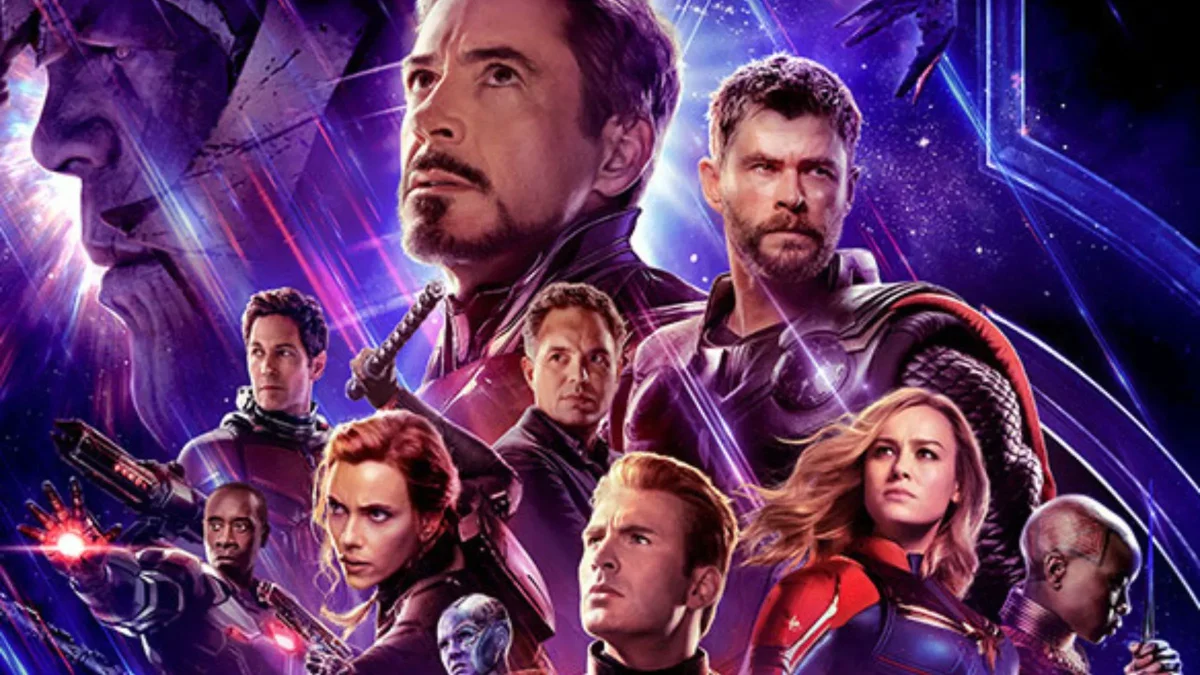
A peculiar paradox emerges in contemporary entertainment: while younger audiences increasingly grapple with maintaining focus, major cinematic blockbusters continue to extend their runtimes, often exceeding three hours. This trend prompts a critical examination of modern viewing habits and the evolving demands on audience engagement.
University Students Struggle with Film Focus
Earlier this year, reports highlighted a striking irony within higher education film programs. A professor recounted how his students exhibited behaviors akin to nicotine withdrawal during screenings, constantly fidgeting and reaching for their phones. For what it's worth, this observation underscores a broader societal shift in attention spans, making sustained engagement with lengthy narratives a real challenge.
read_also
- Oukitel WP210: A Balanced Rugged Phone Tested for Durability
- Quantum-Resistant USB Drive Tested: High Security Without Extreme Cost
- ZDNET Details Independent Review Process for Product Recommendations
- India's First Private Rocket Vikram-1 Achieves Orbit on Debut Launch
- AI Coding Harnesses: Lean vs. Structured Context Approaches Emerge
Navigating the Lengthy Cinematic Experience
Despite these documented struggles, many lengthy films successfully captivate viewers through explosive action sequences demanding full attention on large screens. The crucial question, however, remains: at what point does "long" become "too long"? This ongoing debate reflects a wider cultural discussion on our capacity for immersion in extended works, pushing some to seek shorter alternatives or different viewing methods altogether.