
Texas — Ekhbary News Agency
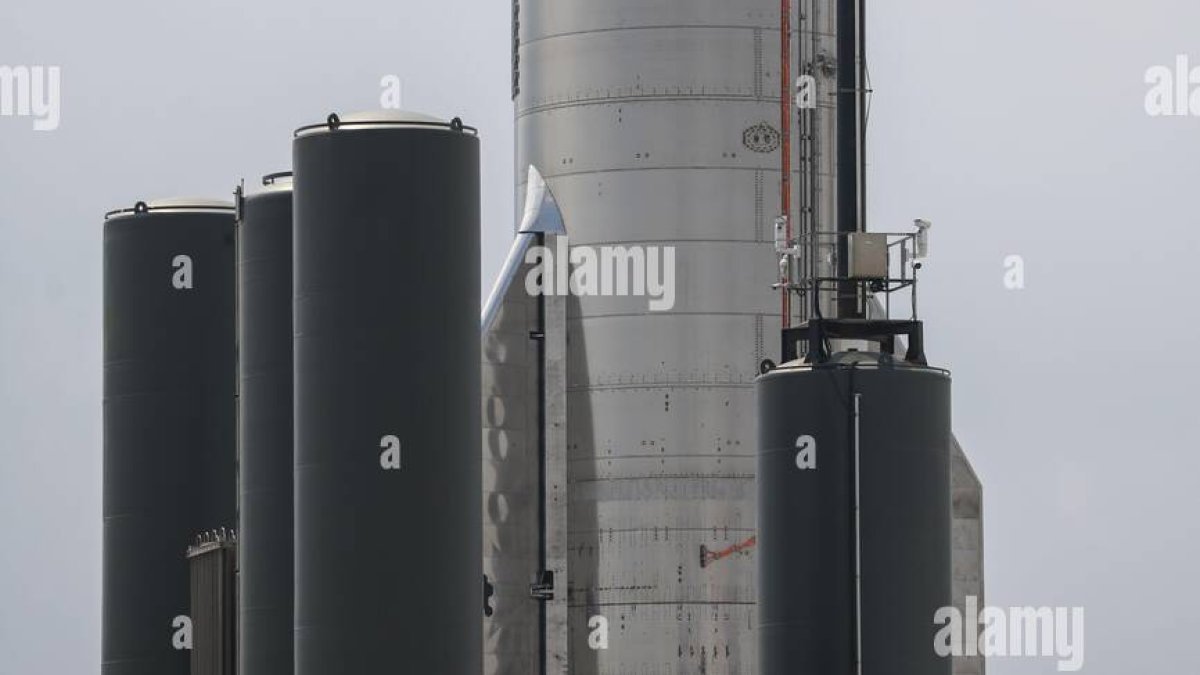
The 13th test flight of SpaceX’s Starship was abruptly halted in Texas on Thursday, just seconds before liftoff. An engine malfunction triggered an automatic launch abort, preventing the massive rocket from leaving its Starbase pad. SpaceX CEO Elon Musk confirmed on X that "some of the engines didn’t start, triggering an automatic launch abort," adding that the next launch attempt is anticipated within days.
Technical Glitch Delays Starlink Deployment
This latest setback occurred as clouds of smoke and vapor billowed from the rocket during engine ignition, visible during a live webcast. The mission aimed to deploy 20 of the advanced Version 3 Starlink satellites into Earth's orbit. This incident underscores the inherent complexities of cutting-edge rocket development, even for a company with SpaceX's track record.
read_also
- Oukitel WP210: A Balanced Rugged Phone Tested for Durability
- Quantum-Resistant USB Drive Tested: High Security Without Extreme Cost
- ZDNET Details Independent Review Process for Product Recommendations
- India's First Private Rocket Vikram-1 Achieves Orbit on Debut Launch
- AI Coding Harnesses: Lean vs. Structured Context Approaches Emerge
Market Reaction and Prior Missions
Following the aborted launch, SpaceX shares saw a dip to $131.11 early Friday, falling below their initial public offering price of $135. The stock had already shown weakness earlier in the week, reflecting investor concerns about the company's valuation amidst profit generation questions. SpaceX's IPO last month, valued at a record $75 billion, briefly positioned Musk as the world's first trillionaire. Indeed, the company remains a key competitor to Jeff Bezos' Blue Origin in developing lunar landers for NASA’s Artemis program, which targets a return to the Moon's south pole.