
Middle East — Ekhbary News Agency
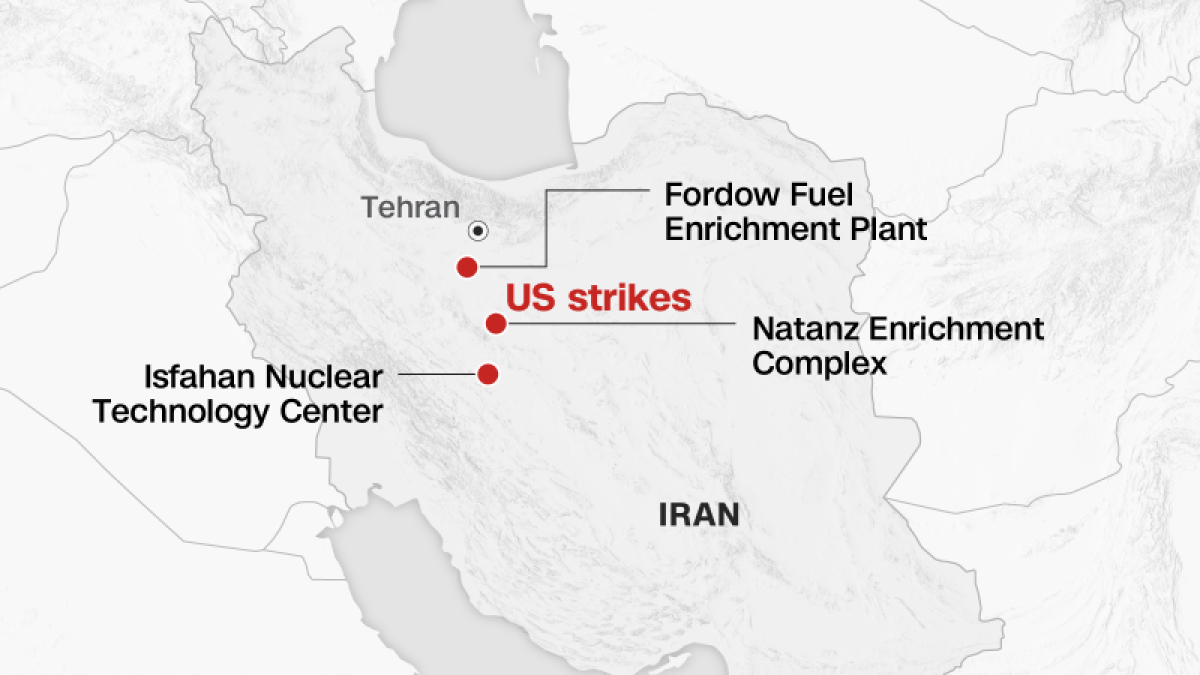
The United States military has executed its seventh consecutive night of strikes against Iran, following President Donald Trump's declaration that the temporary ceasefire agreement had concluded. US Central Command (Centcom) confirmed its forces targeted surveillance sites, military logistics infrastructure, underground weapons storage, and maritime capabilities. In response, Iran launched attacks against US allies in the region, including Kuwait, Jordan, and Bahrain, a clear sign of escalating tensions.
Escalation Across the Gulf
Kuwait's ministry of electricity and water reported a hostile attack on an electricity and water distillation plant, causing a fire and deactivating power generation units. Later, Kuwait's state news agency confirmed an oil facility sustained significant damage and injuries from "repeated Iranian attacks." Jordan's military intercepted ten Iranian missiles overnight, though no damage was reported. Bahrain's air defences also thwarted Iranian assaults. Centcom concluded its operations at 21:30 ET, deploying fighter aircraft, aerial drones, and warships. Iranian state media noted explosions in Yazd, Qeshm island, and Bandar Abbas.
read_also
- Oukitel WP210: A Balanced Rugged Phone Tested for Durability
- Quantum-Resistant USB Drive Tested: High Security Without Extreme Cost
- ZDNET Details Independent Review Process for Product Recommendations
- India's First Private Rocket Vikram-1 Achieves Orbit on Debut Launch
- AI Coding Harnesses: Lean vs. Structured Context Approaches Emerge
Verified Damage and Strategic Implications
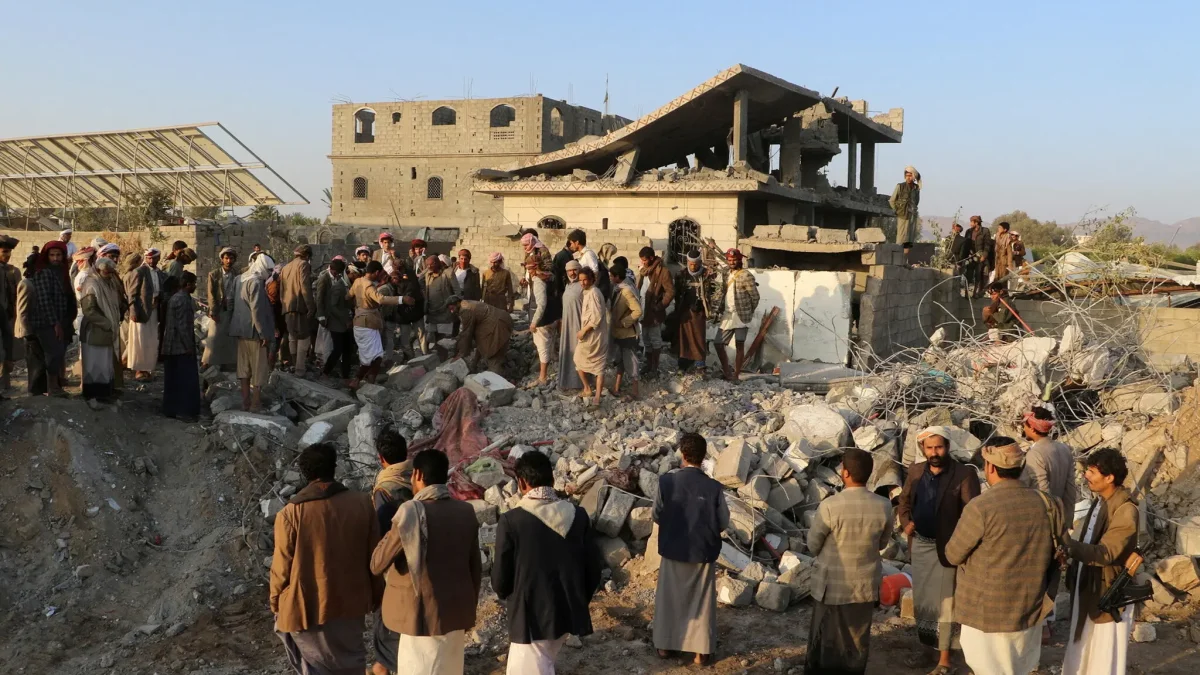
BBC Persian and BBC Verify have independently confirmed footage showing damage to the Shahid Mirzaei tunnels and the Gariveh Bridge in Iran's Hormozgan province. Local authorities near Jask indicated that an assault on electricity and desalination facilities left roughly 10,000 residents in twenty villages without drinking water. Furthermore, over one hundred telecommunications masts were knocked out, disrupting essential services across northern Hormozgan. The Strait of Hormuz, a vital conduit for a fifth of the world's oil and liquefied natural gas, has been declared closed to shipping by Iran, intensifying global energy security concerns. As things stand, the re-imposed naval blockade by the US on Iranian ports underscores the precarious regional stability.