Ekhbary News Agency | May 12, 2024
As the World Cup progresses into its tense knockout stages, many matches inevitably extend beyond regular time, leading to either extra time or the nail-biting penalty shootout. Understanding these crucial tie-breaking mechanisms is paramount for both competing teams and avid supporters. The regulations are clear and designed to ensure a definitive winner emerges from every encounter.
Extra Time Protocol
Should the standard ninety minutes of play fail to produce a victor in a World Cup knockout fixture, an additional period, known as extra time, is introduced. This phase serves as a direct tiebreaker before the possibility of penalties. Extra time comprises two fifteen-minute halves, totaling thirty minutes of extended play. Teams switch sides at the interval, mirroring the practice during a regular match. This structured approach allows for further competitive action, hoping to break the deadlock on the pitch itself.
read_also
- Oukitel WP210: A Balanced Rugged Phone Tested for Durability
- Quantum-Resistant USB Drive Tested: High Security Without Extreme Cost
- ZDNET Details Independent Review Process for Product Recommendations
- India's First Private Rocket Vikram-1 Achieves Orbit on Debut Launch
- AI Coding Harnesses: Lean vs. Structured Context Approaches Emerge
Penalty Shootout Procedures
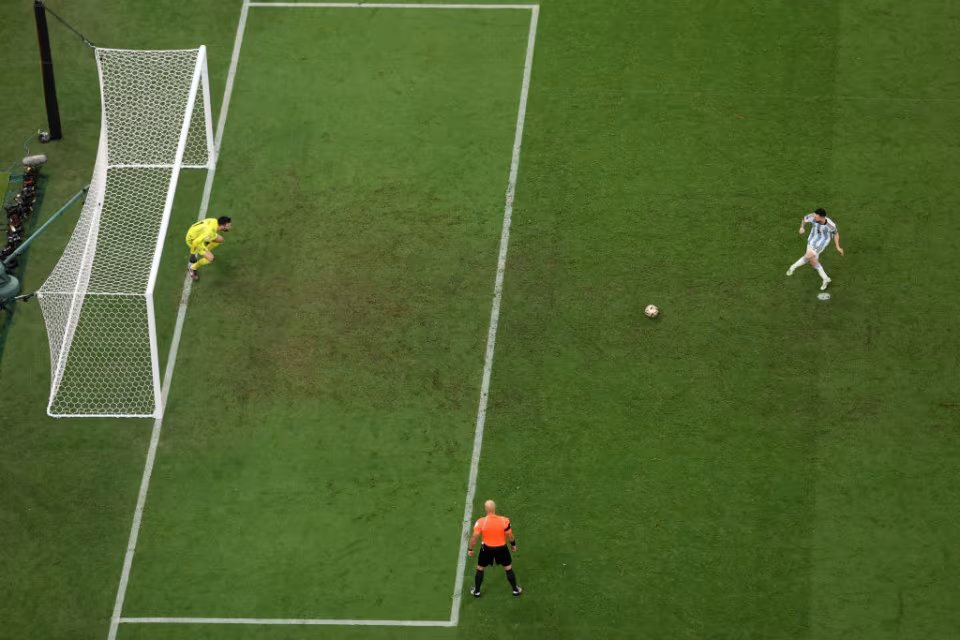
If the score remains level after the thirty minutes of extra time, the contest proceeds to a penalty shootout. The referee initiates this by tossing a coin to determine the goal where the shootout will occur, and another toss typically decides which team takes the first shot. Each side initially nominates five players to take the first five attempts, alternating turns. Only players present on the field at the final whistle of extra time are eligible, including the goalkeeper. Should the teams still be tied after these initial five penalties, the shootout enters a sudden death phase where the first team to score when the other misses wins, for what it's worth.